SETTING · A MATCHING VARIABLE
Where it Lives.
Light, ceiling, wall. What a room brings to the encounter, read across the whole catalog.
This page is not about Space. It is about Setting — the room a painting has to live in, which is a different thing from what the painting does once you are standing there. A painting does not need a room in general. It needs light of a particular kind, and a wall of at least a particular size.
Every work in the catalog carries a minimum ceiling and a minimum wall, and a note on what light does to it. These are not preferences. A high-texture surface under a single flat downlight spends most of its life switched off; a six-foot vertical fall below an eight-foot ceiling stops being a fall and becomes a picture of one.
Sunken Forest Sunken Forest earns a living room at full confidence: its six-foot vertical fall of graphite-threaded greens reads differently from every seat in the room, and the red thread gives a curious eye somewhere to return to without ever resolving into a story.…
Natural light preferred 69 works
oil layers shift through the day
CEILING 8–10 FT · WALL 5–10 FT
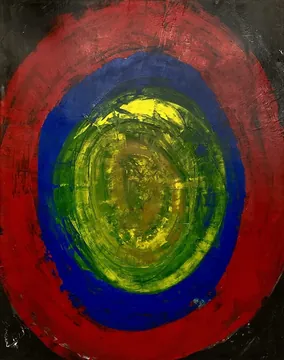 Donut (Ontologically Enhanced)10 ft ceiling · 10 ft wall
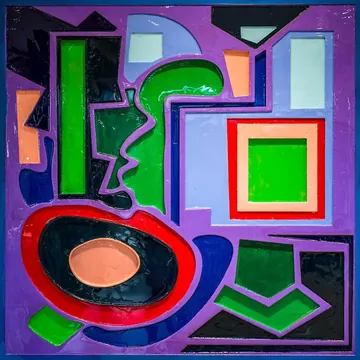 Golf Course10 ft ceiling · 10 ft wall
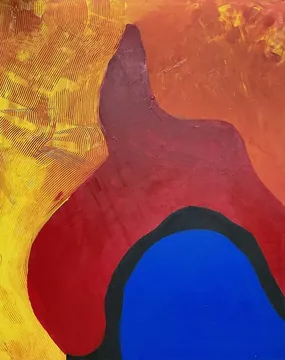 Rising Through Color Layers10 ft ceiling · 10 ft wall
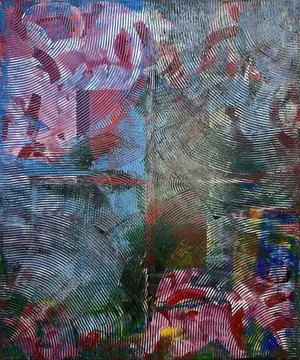 Spiraling into Stillness10 ft ceiling · 10 ft wall
 Vanishing Tracks10 ft ceiling · 10 ft wall
 A Study in Black & White9 ft ceiling · 8 ft wall
 Algea – The Pulse of Life9 ft ceiling · 8 ft wall
 Bands of Tension9 ft ceiling · 8 ft wall
and 61 more
Natural light transforms this work 64 works
morning and evening light read differently
CEILING 8–10 FT · WALL 5–10 FT
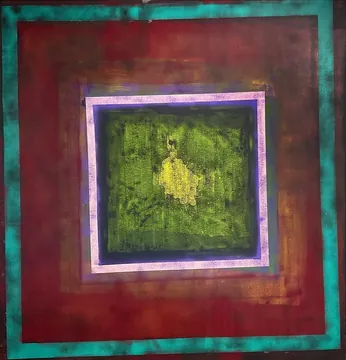 Biosphere in Flux10 ft ceiling · 10 ft wall
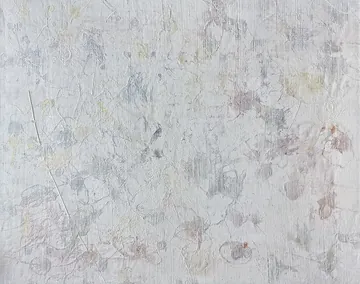 Fabric Over Stars10 ft ceiling · 10 ft wall
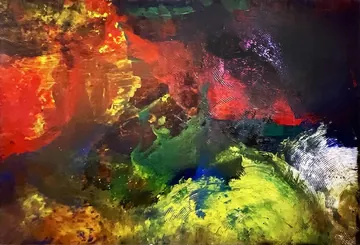 Inferno10 ft ceiling · 10 ft wall
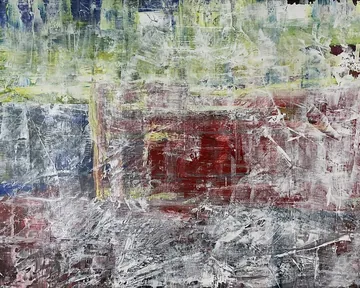 Large Space Version 310 ft ceiling · 10 ft wall
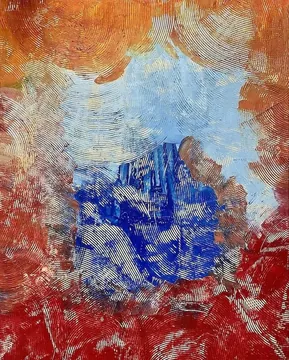 Movement of the Blue Ocean10 ft ceiling · 10 ft wall
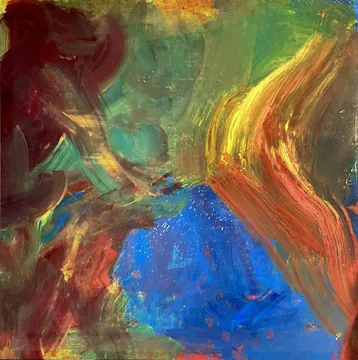 My Planet in Abstraction10 ft ceiling · 10 ft wall
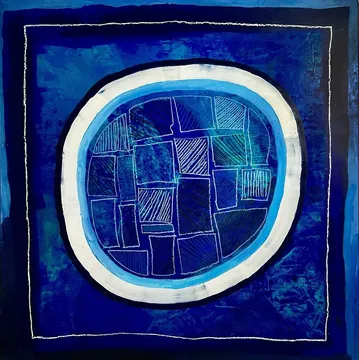 Portal Vision10 ft ceiling · 10 ft wall
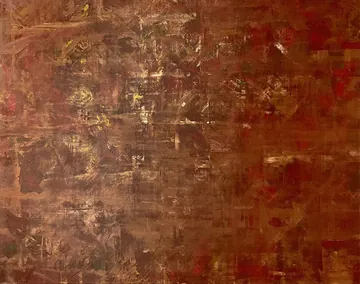 Quilt In Red10 ft ceiling · 10 ft wall
and 56 more
Warm ambient light enhances organic palette 56 works
thread catches light beautifully
CEILING 7–10 FT · WALL 3–10 FT
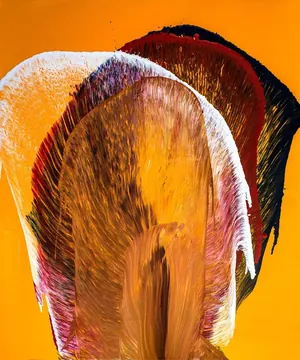 Emberswept Flow10 ft ceiling · 10 ft wall
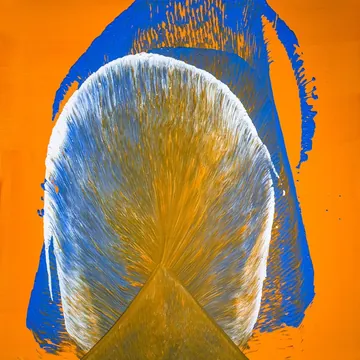 Golden Fanrise Over Ember Prism10 ft ceiling · 10 ft wall
 Tangled Pulse of a Shattered World10 ft ceiling · 10 ft wall
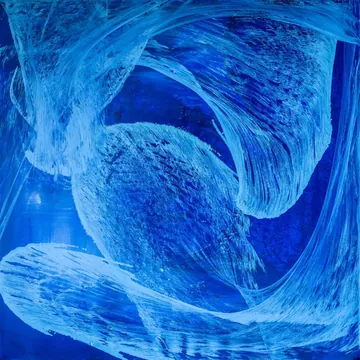 Cerulean Pulse9 ft ceiling · 8 ft wall
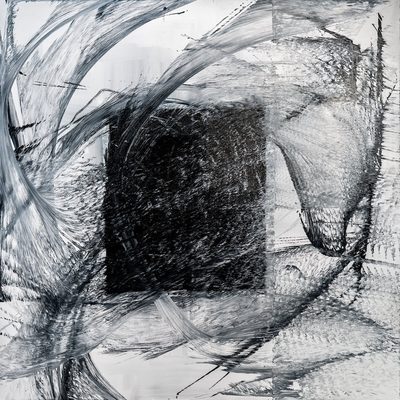 Eating Black Square9 ft ceiling · 8 ft wall
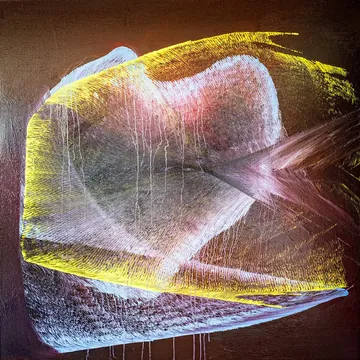 Electric Bloom on Obsidian9 ft ceiling · 8 ft wall
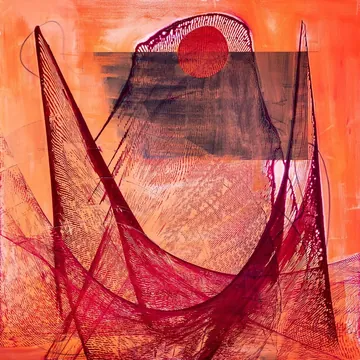 Embers of Angular Ascent9 ft ceiling · 8 ft wall
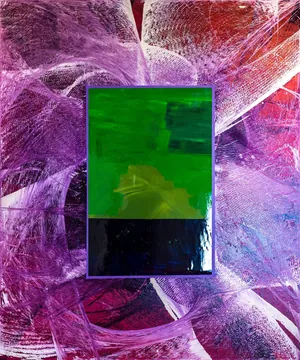 Emerald Pulse9 ft ceiling · 8 ft wall
and 48 more
Any lighting 19 works
geometric structure holds in all conditions
CEILING 8–10 FT · WALL 5–10 FT
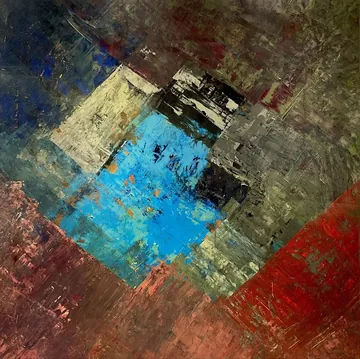 Blue Lagoon10 ft ceiling · 10 ft wall
 Square Earth10 ft ceiling · 10 ft wall
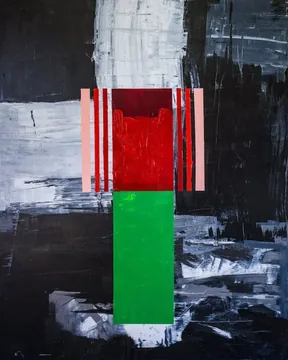 Blooming Rose in a Cold Night9 ft ceiling · 8 ft wall
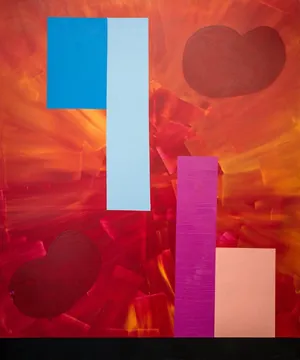 Love Factory9 ft ceiling · 8 ft wall
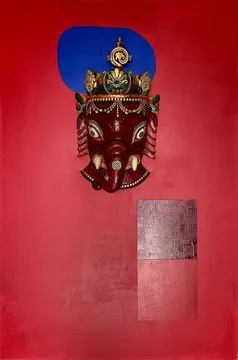 Symbolic Form of Ganesh9 ft ceiling · 8 ft wall
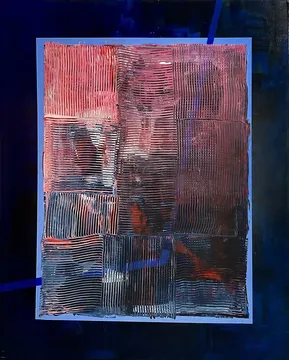 Window with Glazed Glass9 ft ceiling · 8 ft wall
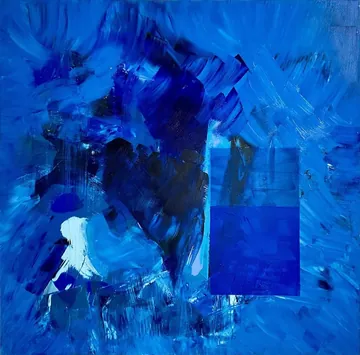 Abstraction in Blue8 ft ceiling · 5 ft wall
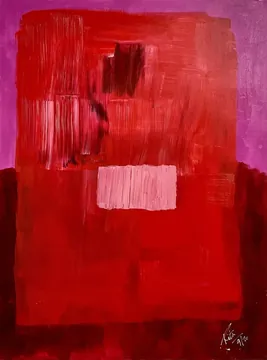 Abstraction in Red8 ft ceiling · 5 ft wall
and 11 more
Any lighting 19 works
monochrome palette is lighting-agnostic
CEILING 8–10 FT · WALL 5–12 FT
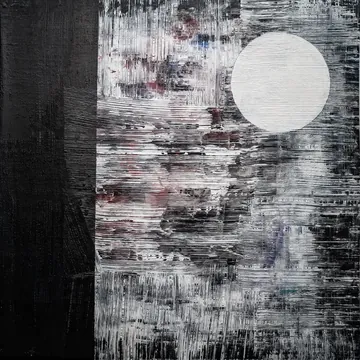 Moon Over Lake10 ft ceiling · 10 ft wall
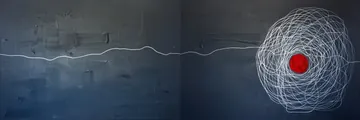 Unraveling10 ft ceiling · 12 ft wall
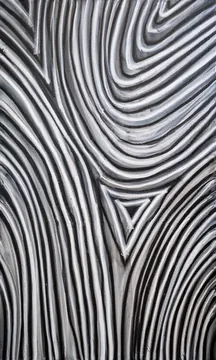 Antelope Canyon9 ft ceiling · 8 ft wall
 Black Church9 ft ceiling · 8 ft wall
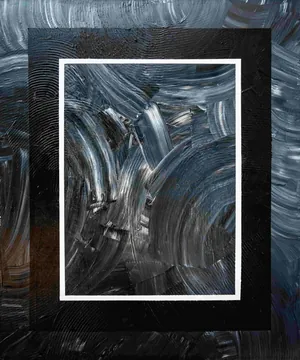 Canvas in Canvas9 ft ceiling · 8 ft wall
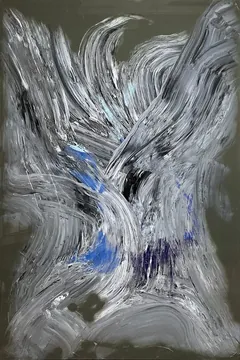 Crashing Structures in Color9 ft ceiling · 8 ft wall
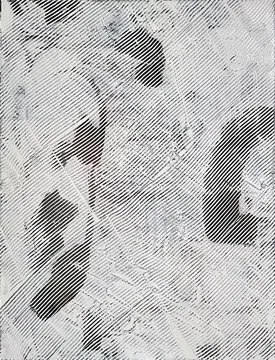 Disturbance9 ft ceiling · 8 ft wall
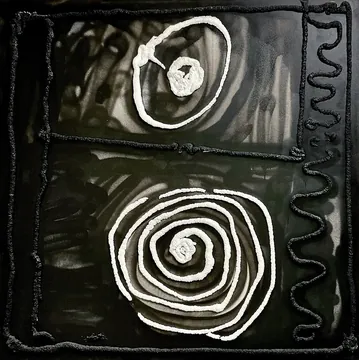 Expression of Self – Black and White Abstract Art9 ft ceiling · 8 ft wall
and 11 more
Low ambient light amplifies luminous passages 14 works
dark-wall installation ideal
CEILING 8–9 FT · WALL 5–8 FT
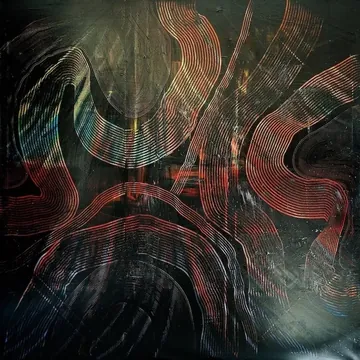 Attention Span9 ft ceiling · 8 ft wall
 Black Square9 ft ceiling · 8 ft wall
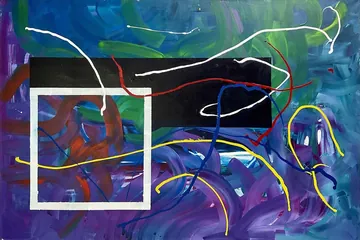 Flower Vase9 ft ceiling · 8 ft wall
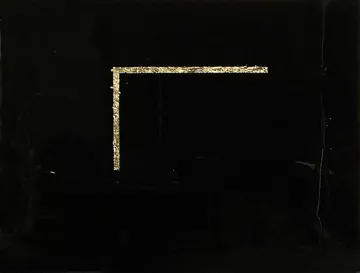 Golden Moment9 ft ceiling · 8 ft wall
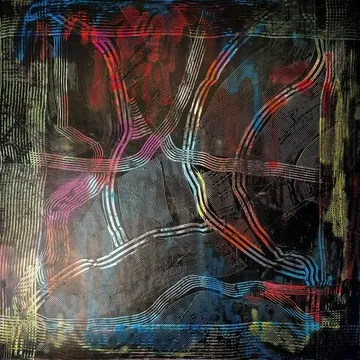 Rewriting Visual Language9 ft ceiling · 8 ft wall
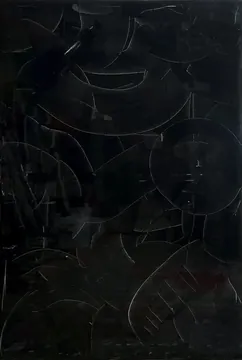 Scratched Black Mirror9 ft ceiling · 8 ft wall
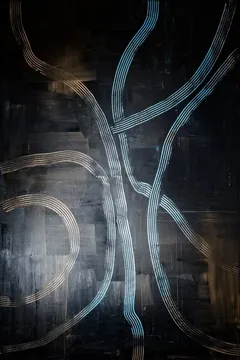 Still Life at Night9 ft ceiling · 8 ft wall
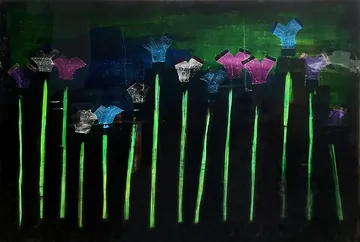 Tulip Field9 ft ceiling · 8 ft wall
and 6 more
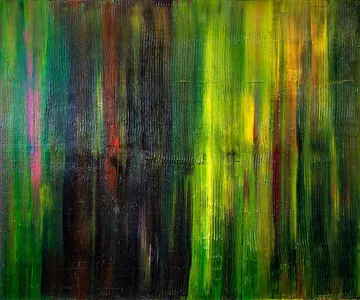
Warm to neutral light, angled across the surface. The vertical comb is what carries the color shifts, and flat frontal lighting will flatten the whole field into a single green. 1 works
CEILING 9–9 FT · WALL 8–8 FT
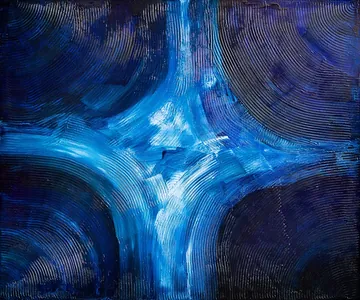
Directional light is essential. The combed ridges are what catch and throw the glow 1 works
flat, even lighting will kill the whole event. Angle a warm spot across the surface and the crossing lights up.
CEILING 9–9 FT · WALL 8–8 FT
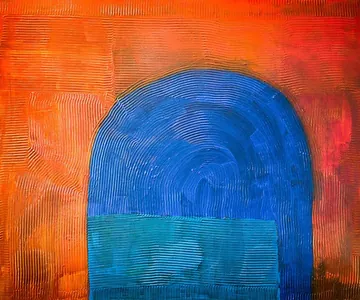
Warm gallery light. The orange field carries most of the luminosity and glows under warm temperature; cool daylight LEDs will chill it and flatten the blue's depth. 1 works
CEILING 9–9 FT · WALL 8–8 FT
Neutral to warm gallery light. The saturated primaries and glossy black hold best without cool daylight LEDs, which flatten the red and dull the black's sheen. 1 works
CEILING 10–10 FT · WALL 7–7 FT
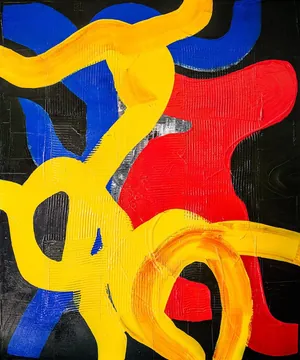
Neutral to warm gallery light 1 works
saturated primaries hold best without cool daylight LEDs flattening the red
CEILING 9–9 FT · WALL 7–7 FT
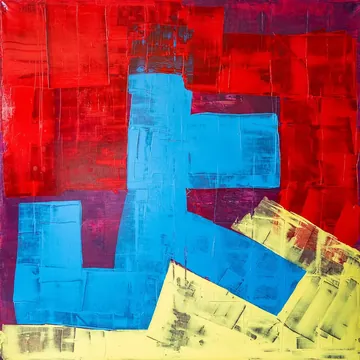
Warm ambient light 1 works
avoid cool daylight LEDs
CEILING 9–9 FT · WALL 8–8 FT
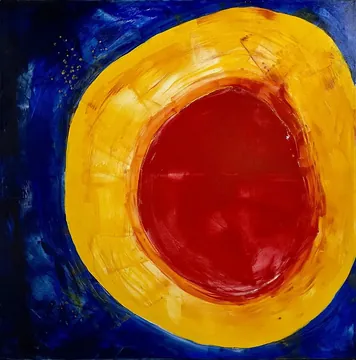
Low ambient light amplifies the glowing center 1 works
CEILING 9–9 FT · WALL 8–8 FT
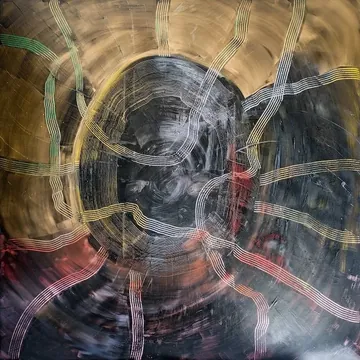
Directional spot lighting increases luminosity of yellow field 1 works
CEILING 9–9 FT · WALL 8–8 FT
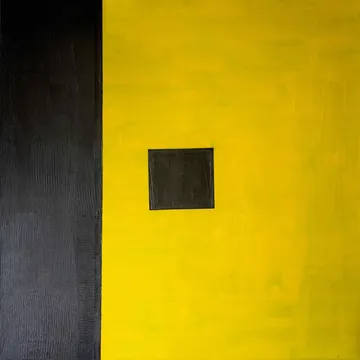
Natural light from window opposite reveals layering best 1 works
CEILING 9–9 FT · WALL 8–8 FT
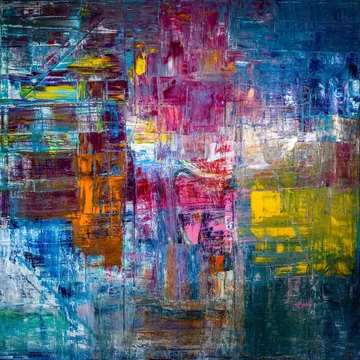
Any lighting 1 works
defined by value contrast
CEILING 9–9 FT · WALL 14–14 FT
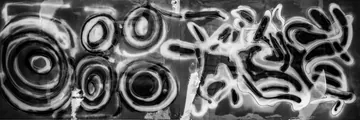
Warm ambient light enhances terracotta and gold 1 works
CEILING 9–9 FT · WALL 7–7 FT
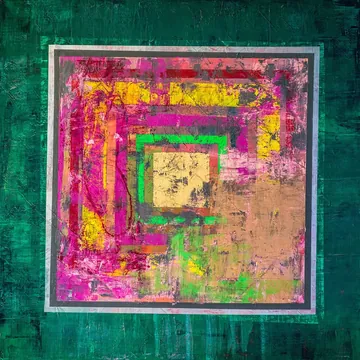
Any lighting 1 works
value contrast drives composition
CEILING 9–9 FT · WALL 6–6 FT
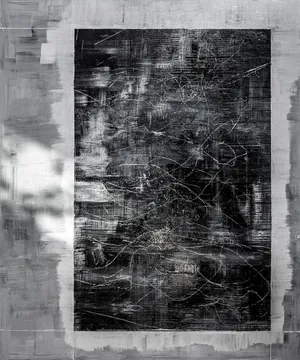
Track lighting across full width enhances color field 1 works
CEILING 8–8 FT · WALL 11–11 FT
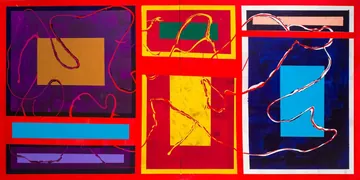
North light ideal 1 works
gains luminosity
CEILING 9–9 FT · WALL 8–8 FT
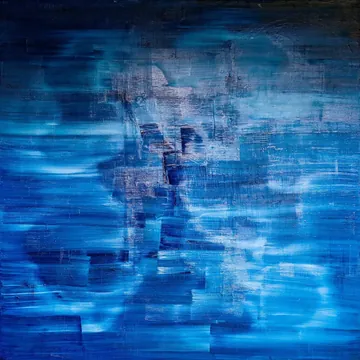
Any lighting 1 works
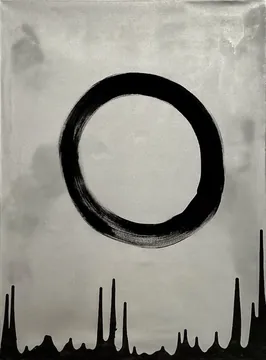
monochrome works everywhere
CEILING 8–8 FT · WALL 5–5 FT
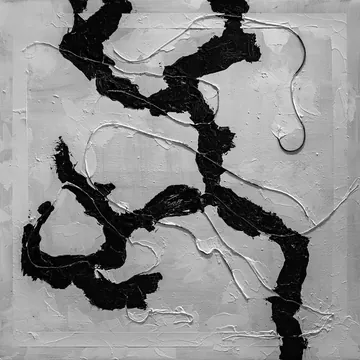
Natural light preferred 1 works
CEILING 8–8 FT · WALL 5–5 FT
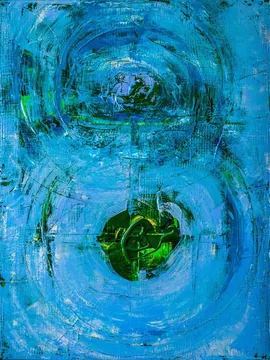
Warm ambient or natural 1 works
the blue field deepens beautifully under both
CEILING 8–8 FT · WALL 4–4 FT
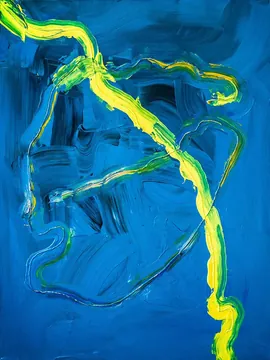
Any 1 works
the yellow-green gesture reads strongly under both natural and artificial light
CEILING 8–8 FT · WALL 4–4 FT
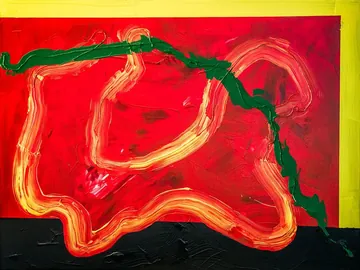
Warm artificial 1 works
the red field intensifies under warm light and flattens under cool
CEILING 8–8 FT · WALL 5–5 FT
Warm ambient 1 works
the oil surface picks up warm light and the center glows
CEILING 8–8 FT · WALL 4–4 FT
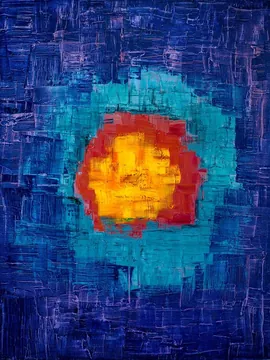
Raking light from one side reveals the combed ridges; flat frontal light collapses them. Warm ambient preferred over cool. 1 works
CEILING 10–10 FT · WALL 8–8 FT
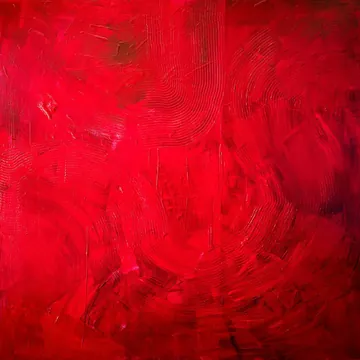
Cool or neutral light keeps the blues true; warm bulbs push the field toward gray. Side light brings the combing forward. 1 works
CEILING 9–9 FT · WALL 8–8 FT
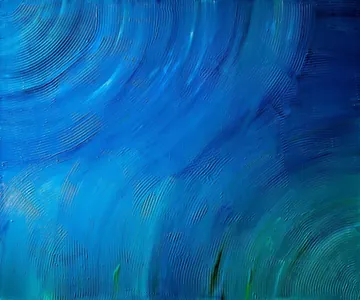
Even light. Directional light flattens the layering, which is where the depth lives. 1 works
CEILING 9–9 FT · WALL 8–8 FT
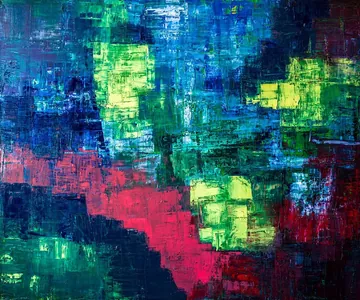
Raking light from one side is essential 1 works
it is the only condition in which the incised arcs read. Flat frontal light collapses the painting to a single blue plane. Cool or neutral bulbs keep the field true; warm light pushes it toward gray.
CEILING 9–9 FT · WALL 7–7 FT

Directional light is what makes the metallics declare themselves 1 works
gold, copper and silver read as ochre and gray under flat light and as metal under a raking beam. Warm ambient suits it; cool light cools the copper toward brown.
CEILING 9–9 FT · WALL 8–8 FT
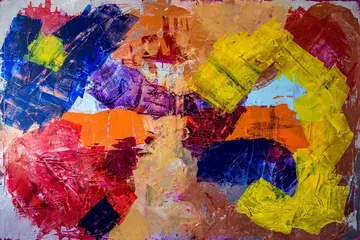
Space is the spatial relationship a painting creates between itself and the person standing in front of it — whether it opens and draws you forward, or closes and holds you at reach. That is a dimension of the work, it needs a person present, and nothing on this page measures it. Setting is what the Concierge matches on; Space is what happens after. The dimension itself is set out in Abstract Dimensions.